
The transformation of gambling through the ages a historical perspective
The Origins of Gambling
The history of gambling can be traced back thousands of years, with its roots embedded in ancient civilizations. Archaeological evidence suggests that games of chance were played as early as 3000 BC in China, where tiles used in rudimentary games resemble modern-day gambling activities. Likewise, ancient Egyptians participated in gambling during celebrations, utilizing dice made from animal bones. These early forms of betting and chance games set the stage for the evolution of gambling, and for more information on this, you can explore this intriguing aspect.

As civilizations progressed, gambling took on various forms, influenced by cultural and societal changes. The Romans, known for their love of games and spectacles, introduced betting on gladiatorial contests and chariot races. These activities laid a foundation for organized gambling, often supported by the ruling classes, and highlighted the social significance of gambling in historical contexts.
The Rise of Organized Gambling
As societies became more structured, so did gambling. The establishment of gambling houses in medieval Europe signified a turning point. These establishments provided a controlled environment for players, where various games such as dice and card games flourished. The introduction of playing cards in the 14th century revolutionized gambling, leading to the creation of modern card games that are still popular today.
The 17th century saw the emergence of lotteries, initially introduced to fund public projects. These lotteries gained immense popularity, offering participants a chance at life-changing winnings. The rise of organized gambling marked a significant shift from informal betting to structured, regulated gaming activities, paving the way for future developments.
The Birth of Casinos
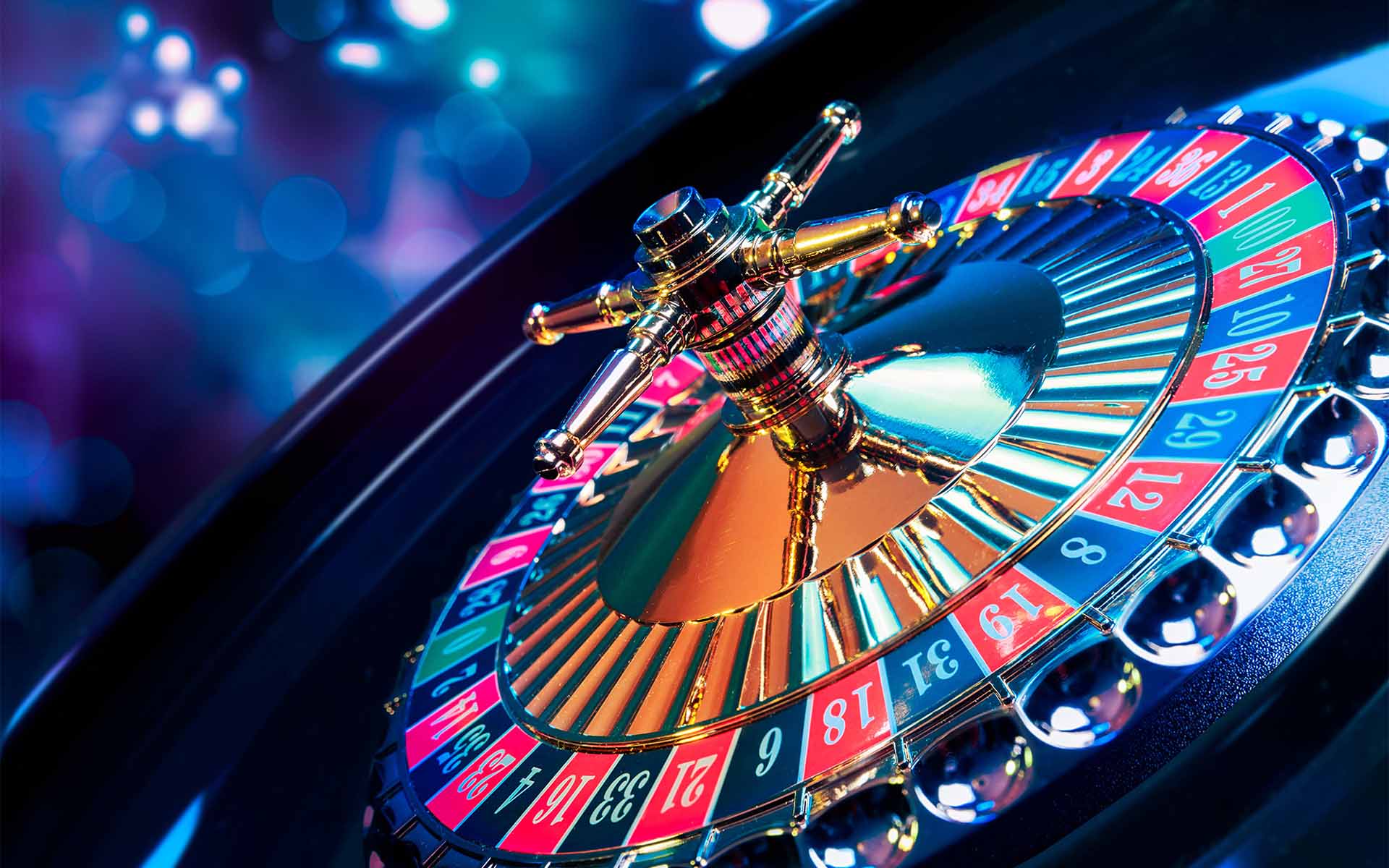
The 18th century heralded the establishment of casinos in Europe, particularly in Italy and France. The Casino di Venezia, one of the oldest casinos in the world, opened its doors in 1638, offering a sophisticated environment for gambling. This period also saw the introduction of roulette and other games that still dominate casinos today.
The allure of casinos grew, attracting not only gamblers but also socialites and tourists. Gambling became a form of entertainment, intertwined with culture and lifestyle. By the 19th century, the casino phenomenon spread to America, where establishments like the gaming halls in New Orleans emerged, further popularizing gambling.
The Digital Revolution in Gambling
The late 20th and early 21st centuries witnessed a seismic shift in the gambling landscape with the advent of the internet. Online gambling emerged in the mid-1990s, providing players with unprecedented access to games from the comfort of their homes. Virtual casinos and poker rooms began to flourish, allowing for a wider audience and diverse gaming options.
This digital revolution transformed traditional gambling practices. Players could now engage in games with others around the world, breaking geographical barriers. Moreover, innovations such as mobile gaming and live dealer games have enhanced the online gambling experience, offering convenience and interactivity akin to physical casinos.
The Future of Gambling and Its Historical Context
The history of gambling showcases an ever-evolving landscape, shaped by technological advancements and societal changes. As online gambling continues to grow, the lessons learned from its historical roots can inform future developments. The balance between responsible gaming and innovative practices remains a crucial aspect of the gambling industry.
While the shift from physical to online gambling presents challenges, it also offers opportunities for engagement and accessibility. Understanding the historical perspective of gambling can provide insights into navigating its future, ensuring it remains a source of entertainment while promoting responsible practices. For more information on the evolution of gambling and insights into modern gaming culture, stay tuned to our resources.